

History, Architecture, and Experiences Around the Gateway of India
Mumbai, the bustling financial capital of India, is filled with architectural gems, cultural wonders, and vibrant city life. Among these, one landmark stands out as the most recognized symbol of the city—the Gateway of India. Situated majestically on the shores of the Arabian Sea, this historical archway has welcomed emperors, dignitaries, travelers, and tourists for over a century. Whether you’re a history enthusiast, an architecture lover, or simply exploring the best places to visit in Mumbai, the Gateway of India deserves a top spot on your itinerary.
A Symbol of History and Legacy
The Gateway of India was built in 1924 to commemorate the visit of King George V and Queen Mary to Bombay (now Mumbai). Designed by architect George Wittet, the structure represents the grandeur of the colonial era while embodying Indian craftsmanship.
Beyond its initial purpose, the monument has witnessed pivotal moments in history. In 1948, the last British troops departed India through this archway, symbolizing the end of British rule. This makes the Gateway not just an architectural wonder but also a monument of independence and resilience.
Architectural Brilliance by the Arabian Sea
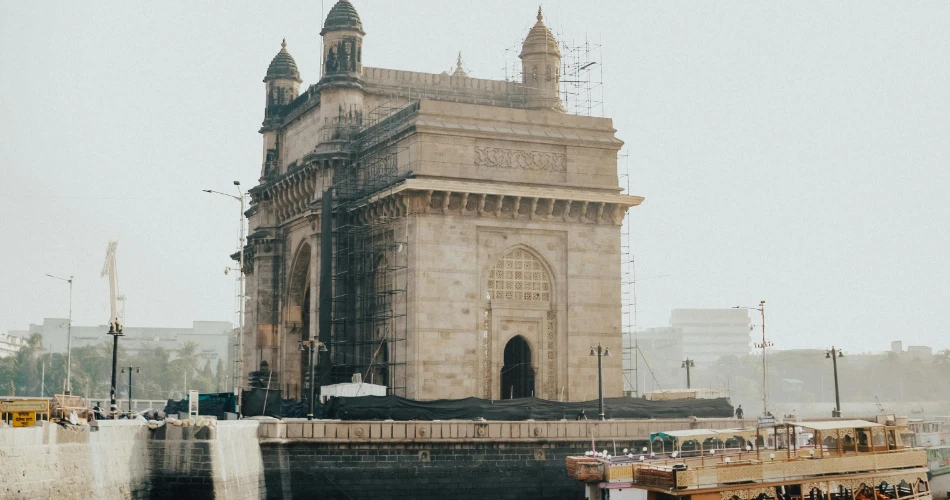
Constructed from yellow basalt and reinforced concrete, the Gateway of India is a magnificent example of Indo-Saracenic architecture, with influences of Muslim, Hindu, and Western designs. The central dome, standing 26 meters high, is flanked by smaller domes and intricate latticework.
Its prime location on the waterfront of Apollo Bunder, overlooking the Arabian Sea, enhances its majestic appeal. At sunrise and sunset, the monument glows against the sky, making it a favorite spot for photographers, artists, and travelers.
The Cultural Heart of Mumbai
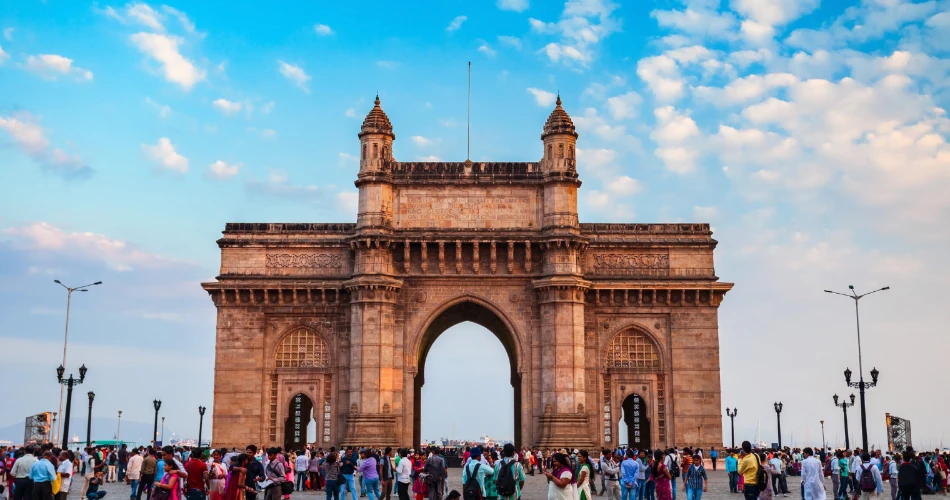
Today, the Gateway of India is more than just a monument—it’s a cultural hub. Locals and tourists gather here to soak in the sea breeze, enjoy boat rides, or simply admire the charm of the surroundings.
From here, ferries depart to the Elephanta Caves, a UNESCO World Heritage Site, adding to its significance as a starting point for explorations. Street vendors, local photographers, and entertainers further create a lively atmosphere that reflects the city’s energy.
Things to Do Around the Gateway of India
Visiting the Gateway isn’t just about admiring the arch—it’s about experiencing the vibrant area around it. Some must-do activities include:
-
Boat Rides: Take a ferry to Elephanta Island or enjoy a short cruise along the Arabian Sea for stunning skyline views.
-
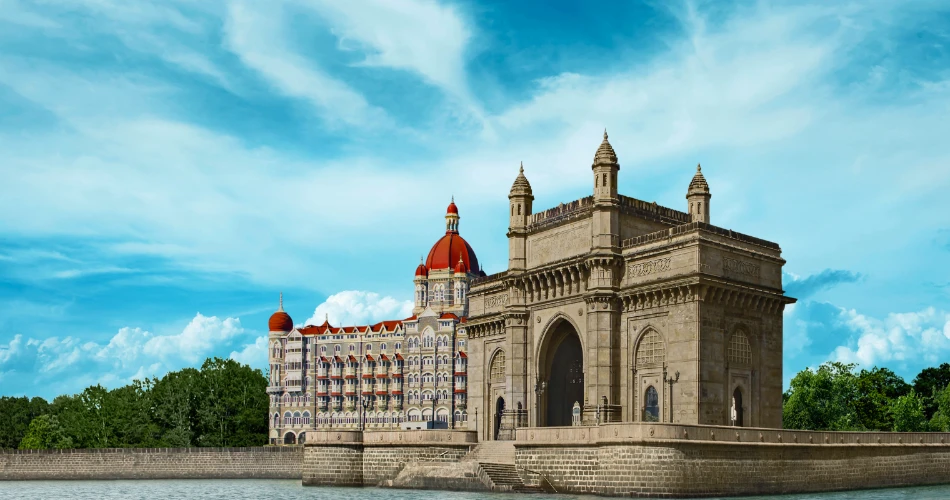
Taj Mahal Palace Hotel: Right across the Gateway stands the Taj Mahal Palace, one of Mumbai’s most luxurious and historic hotels.
-
Street Food & Shopping: Indulge in Mumbai’s famous chaat, bhel puri, or ice gola while exploring nearby markets like Colaba Causeway.
-
Photography & Sunset Views: The monument is particularly breathtaking during the golden hours, making it a hotspot for photography enthusiasts.

The Gateway at Night
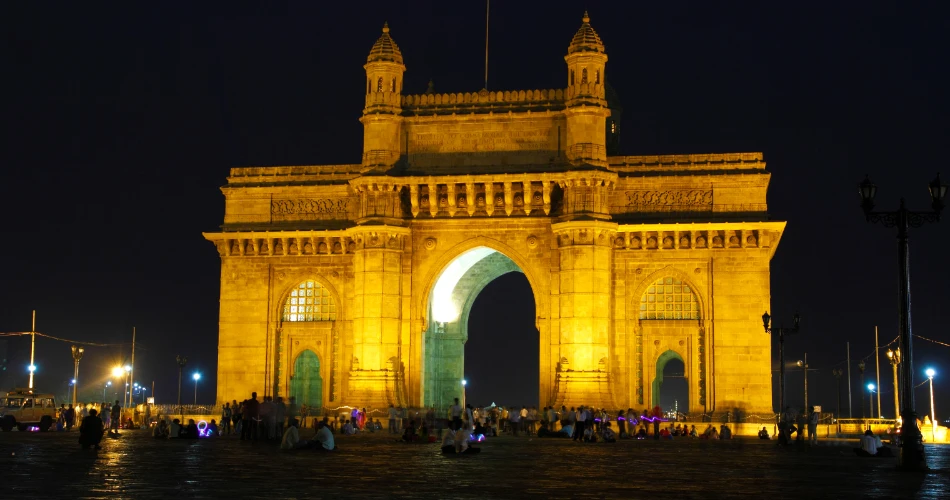
One of the most enchanting ways to experience the Gateway is after sunset. The monument is beautifully illuminated, creating a magical ambiance by the Arabian Sea. The sight of the grand arch glowing against the dark waters makes for a memorable experience.
Why the Gateway of India is a Must-Visit
The Gateway of India isn’t just a landmark—it’s the soul of Mumbai. It stands as a reminder of the city’s colonial past, its role in India’s independence, and its ongoing spirit of progress. For visitors, it offers a unique blend of history, architecture, culture, and scenic beauty.
Whether you’re taking a leisurely stroll, enjoying a ferry ride, or simply sitting by the steps overlooking the sea, the Gateway provides a sense of connection to both Mumbai’s past and present.
Conclusion
The Gateway of India is more than a tourist attraction—it is a timeless symbol of Mumbai’s heritage and resilience. Overlooking the vast Arabian Sea, it continues to inspire awe and admiration, making it one of the most iconic landmarks in India. No visit to Mumbai is complete without witnessing this grand arch, which has stood tall through history, change, and the passage of time.